Is engine remapping safe? Insurance, warranty and what to ask
Drive Dynamics Ltd, Blantyre · Updated
Engine remapping gets talked about as either free performance or a ticking time bomb. The truth sits in between. Whether a remap is a sensible idea depends on the car, its condition, how the work is done and whether you have dealt with the paperwork. This guide explains what a remap actually is, where the risks really come from, and what to ask before you let anyone plug into your car.
What a remap actually changes
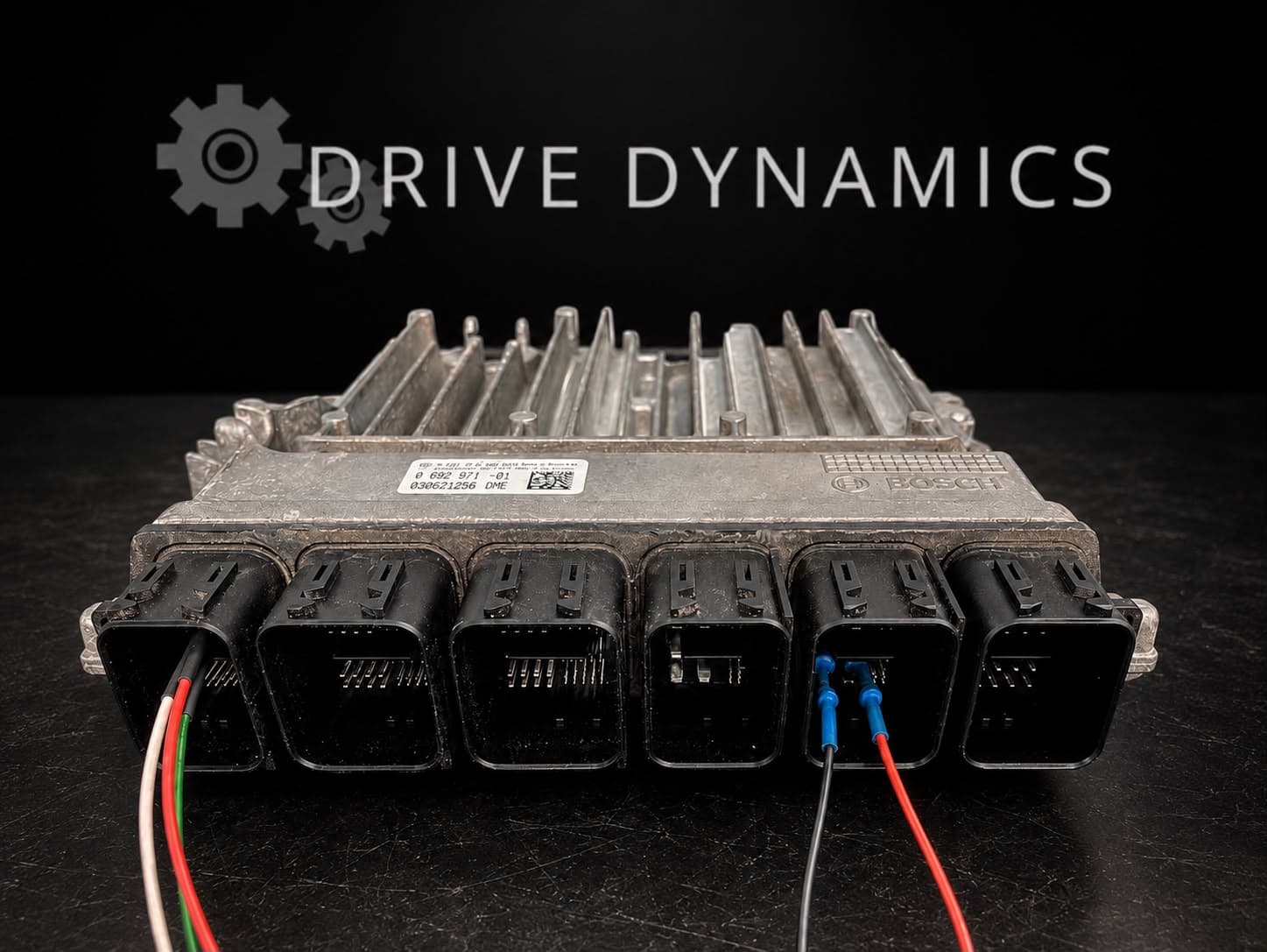
Every modern engine is run by an engine control unit (ECU), a small computer that decides how much fuel to inject, when to fire it, how much boost a turbo should make and dozens of other things, many times a second. The ECU does this by following maps: tables of values the manufacturer set at the factory.
A remap rewrites some of those tables. Nothing physical is bolted on. Manufacturers often calibrate one engine to suit many markets, fuel qualities, climates and model ranges, so there is usually some room left between how the engine is set up from the factory and what its hardware can handle. A remap uses part of that room, typically to change how much power and torque the engine produces and where in the rev range it arrives.
When a remap is safe, and when it is not
A sensible remap on a healthy engine, written by someone who understands the limits of that engine, is a well-established modification. The risk comes from three places.
- The car's condition. A remap asks more of the turbo, clutch, injectors and cooling. If any of those are already worn, extra load can push them over the edge. This is why a health check and diagnostic scan should come first, every time.
- The quality of the map. An aggressive or generic file can push components beyond what they were designed for. A good tuner is happy to tell you what they are changing and why, and to turn work down if the car is not suitable.
- Expectations. If you tell a tuner you want the maximum possible figure, that is a different job from a remap aimed at smoother towing or better response. Be clear about what you want from the car.
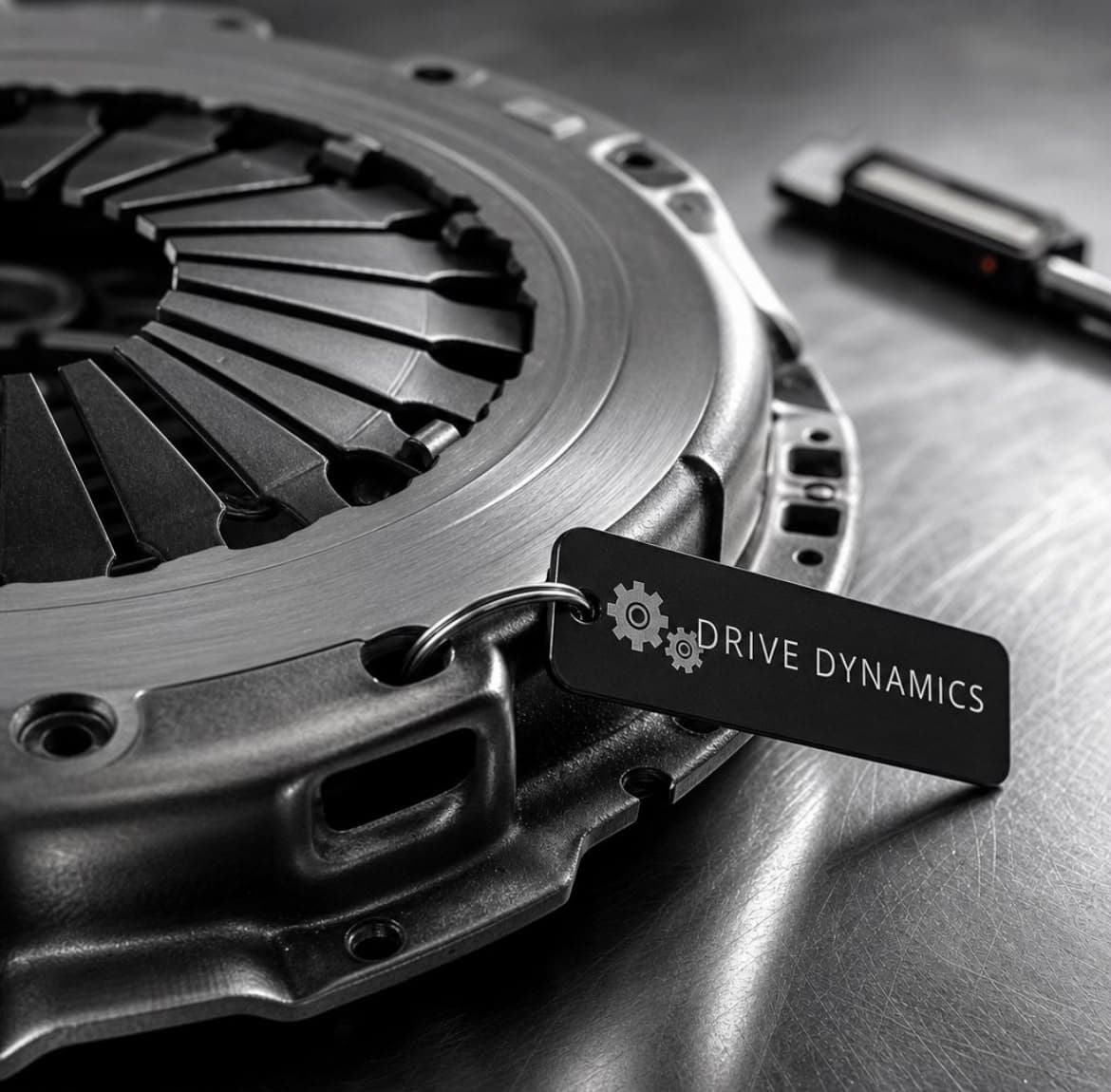
A clutch that is fine at standard power can start to slip once torque goes up, and some cars need a stronger clutch to go with a remap. Ask about this before booking, not after.
Insurance: you need to declare it
A remap is a modification, and you should tell your insurer about it. Insurers ask about modifications because they change the risk they are covering. If you do not declare a remap and later need to claim, the insurer may have grounds to reduce or refuse the claim, and in some cases to cancel the policy.
Declaring it may change your premium or, with some insurers, mean you need to look elsewhere. Some specialist insurers are comfortable with modified cars. It is worth getting a quote before the work is done, so you know where you stand.
Warranty: a remap may affect it
Routine servicing at an independent garage does not affect your warranty, provided it follows the manufacturer's schedule and uses parts of matching quality. A remap is different. Changing the engine software is a modification, and a manufacturer may decline a warranty claim on parts it believes were affected by it.
Some ECUs record that they have been reprogrammed, and dealers can sometimes tell even if the original software is put back. If your car is still under manufacturer warranty, think carefully, and talk to the tuner about it before you book. Our separate guide on servicing and warranties explains where the line sits for ordinary maintenance.
Questions to ask any tuner
Whoever you use, these questions will tell you a lot about how they work.
- Do you do a health check and diagnostic scan before the remap, and what happens if you find a problem?
- Do you keep a copy of my car's original software, and can the car be returned to standard?
- What exactly are you changing, and what will it feel like to drive?
- Is my clutch likely to cope, and what happens if it starts slipping?
- What do I need to tell my insurer, and can you describe the work in writing?
A tuner who promises a big number without seeing the car, or who is vague about insurance and warranty, is telling you something about how they work. Be wary of anyone who guarantees a specific power gain for every car of a type.
How we approach it at Drive Dynamics
Every remap we carry out in Blantyre starts with a health check and diagnostics. We save your car's original ECU software, talk through what is realistic for your specific vehicle, and road test the car afterwards. We will remind you to declare the remap to your insurer, and we will be straight with you about the warranty question. If a remap is not a good idea for your car, we will tell you.
Related guides: Do I have to service at a main dealer to keep my warranty?; Dashboard warning lights: what's urgent and what can wait.